
First Peoples
Warning: Aboriginal and Torres Strait Islander people should be aware that this page contains images and names of deceased persons.
Melbourne Park is committed to reconciliation, and proudly celebrates First Peoples culture, history and storytelling.
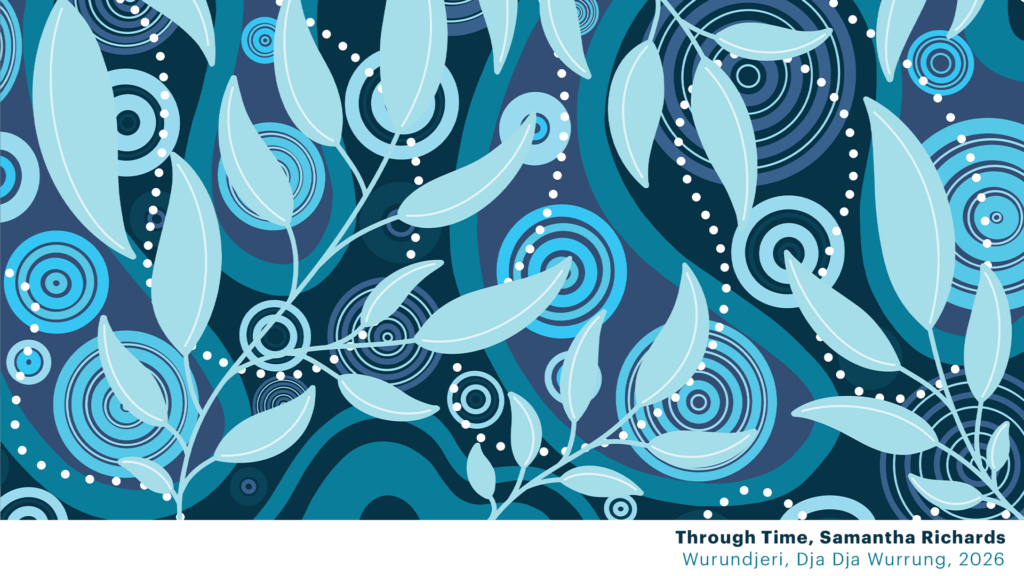
Melbourne Park is located in Naarm (Melbourne) within the lands of the Wurundjeri Woi-Wurrung people of the East Kulin Nation.
The Wurundjeri Woi-Wurrung, or ‘witchitty grub people’, are part of the world’s oldest culture, having lived in surrounding areas for over 2,000 generations.
Acknowledgement of Country
Melbourne Park acknowledges the Wurundjeri people of the East Kulin Nation as Traditional Owners of the land on which it operates and pays respect to Elders past and present.
Melbourne Park acknowledges the cultural significance of the land we are privileged to manage on behalf of the Victorian people and seeks to develop relationships and knowledge to help us plan and take action towards the goal of reconciliation.
We recognise the role we play as land managers but also acknowledge the role the Wurundjeri and Woi-wurrung peoples have played in caring for this land over millennia.
Melbourne Park is committed to advancing reconciliation by listening, learning and developing relationships with First Peoples and organisations to help us take action.
We recognise the significance of the Birrarung, a life source for First Peoples for over millennia, and understand our responsibility to ensure its good health.
Quick Links
Reconciliation
Melbourne Park is committed to reconciliation with First Peoples, and seeks to listen, learn and develop relationships with First Peoples and organisations.
Melbourne Park is home to some of the biggest events in Australia – from the Australian Open to performances from the world’s top artists. Our potential to contribute to reconciliation is not only visible at a local level, but on the international stage too.
Our Reconciliation Working Group is key to driving this work, engaging stakeholders on our reconciliation journey, promoting engagement within the organisation, and implementing key projects outlined in our Reflect Reconciliation Action Plan (RAP), which can be accessed via the button below.
A Site of Signficance
A legacy of First Peoples culture, trailblazers, and a journey towards reconciliation.
The Birrarung
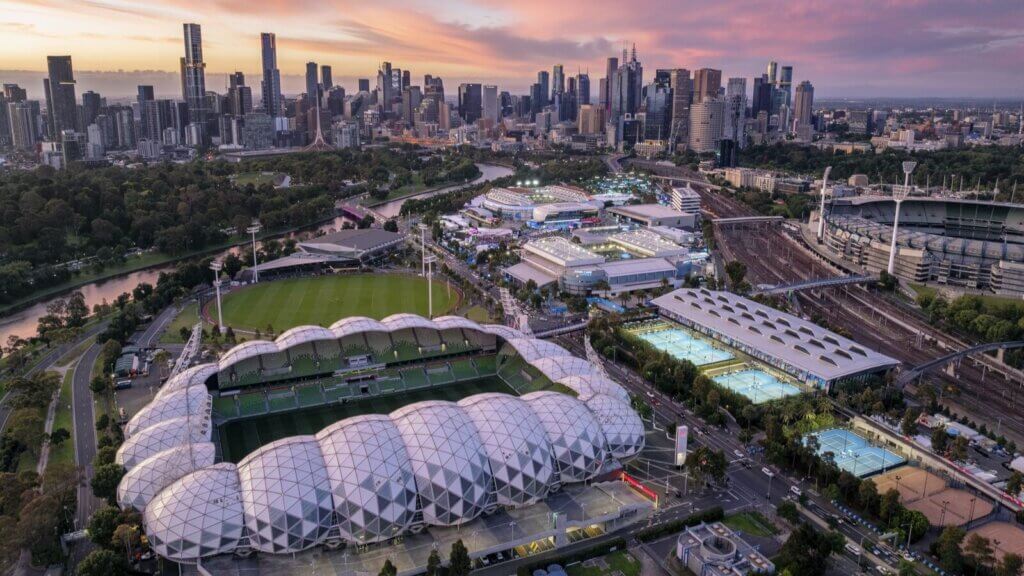
Prior to European settlement, the course of the Birrarung (Yarra River) crossed the site near AAMI Park’s present location, and the surrounding wetlands habitat supported flora and fauna, providing plentiful resources for First Peoples living in nearby areas.
Today, Melbourne Park is bounded to the south and west by the Birrarung, which means ‘river of mists’. The Birrarung is an important site of cultural significance for Woi-Wurrung language groups, including the Wurundjeri and Boon Wurrung people.
In 2017 the Birrarung was legally recognised as a living natural entity, and Woi-Wurrung groups retain their age-old responsibility to ensure its good health.
Tanderrum Bridge
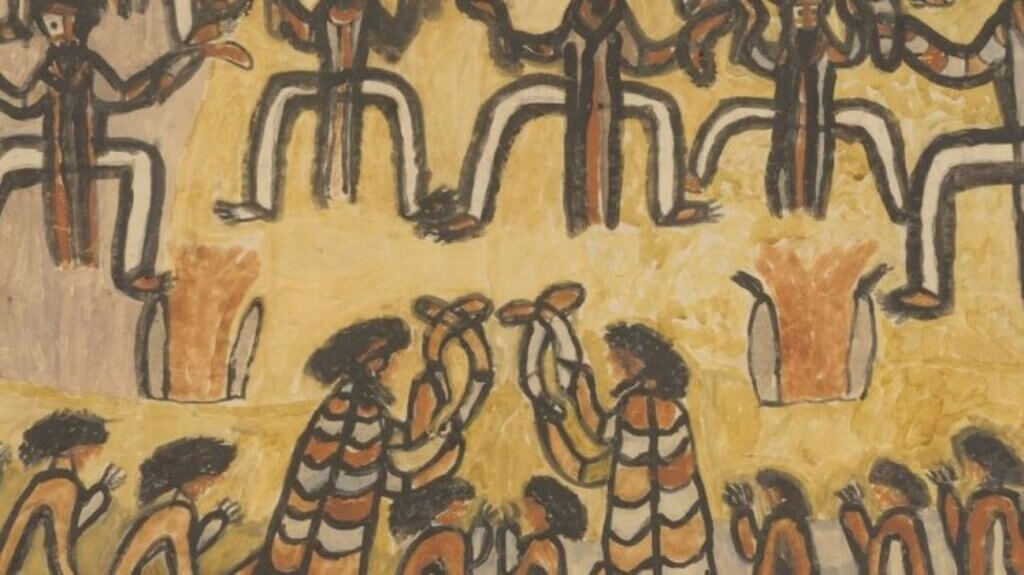
Guests approaching from Birrarung Marr may arrive via Tanderrum Bridge, named for an ancient ceremony performed by groups of the East Kulin Nation to provide neighbouring tribes with safe passage across Country.
Tanderrum has been part of Wurundjeri culture for thousands of years, traditionally bringing together the Wurundjeri Woi-wurrung, Boon Wurrung, Taungurung, Wadawurrung and Dja Dja Wurrung language groups of the Eastern Kulin Nation.
To the north and east, Melbourne Park is bordered by culturally significant sites occupied today by the MCG and Punt Road Oval. These areas were occupied by the Wurundjeri-willam clan for millennia, right up to the 1840s, providing gathering places for significant cultural ceremonies such as corroborees.
William Barak Bridge
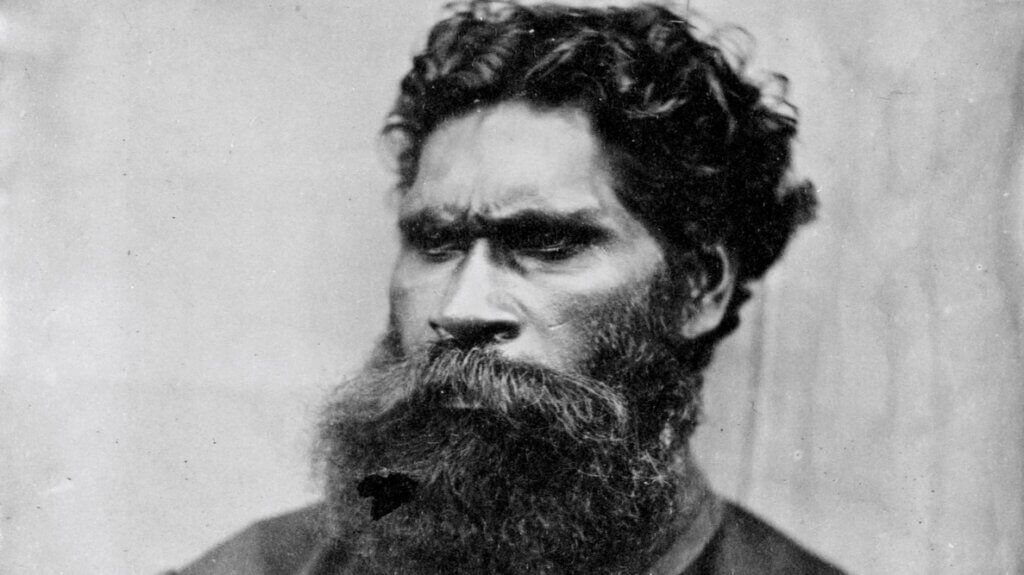
The William Barak Bridge, which connects the MCG and Birrarung Marr across the railyards to Melbourne Park, was named for the prominent 19th-century Wurundjeri-balluk Elder.
William Barak played an important role in building understanding between white settlers and the Aboriginal people of Victoria, advocating for Traditional Owners and helping his people prepare to face an uncertain future in their irrevocably changed land.
Cultural Marker
Given Melbourne Park’s proximity to the Birrarung and surrounding sites of significance, the land on which it operates is culturally significant to First Peoples.
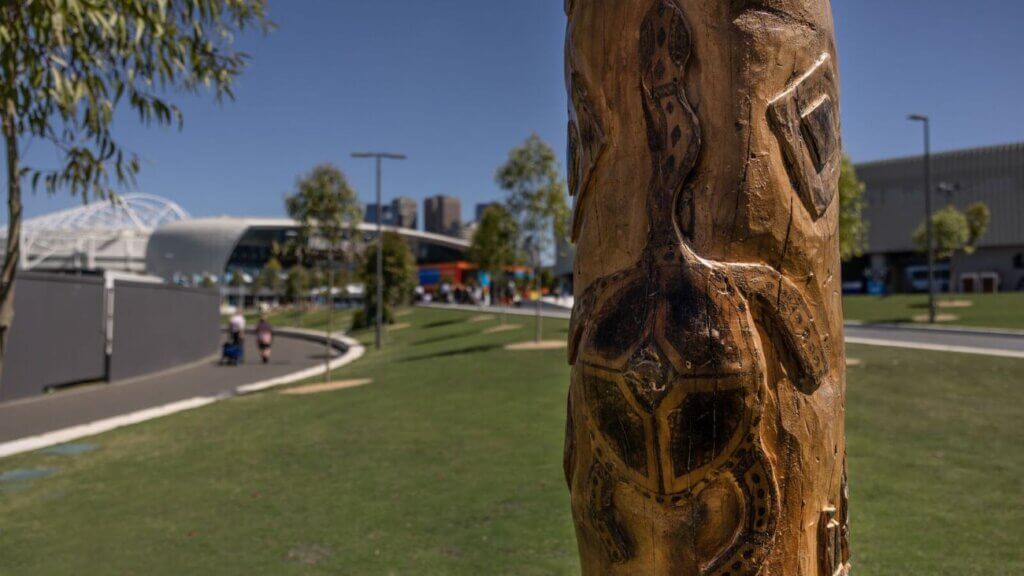
In recognition of this significance, a cultural marker has been established at the heart of the site. Designed by Yorta Yorta artist Stan Yarramunua, the marker was unveiled by Wurundjeri Elder Aunty Joy Wandin in 2023.
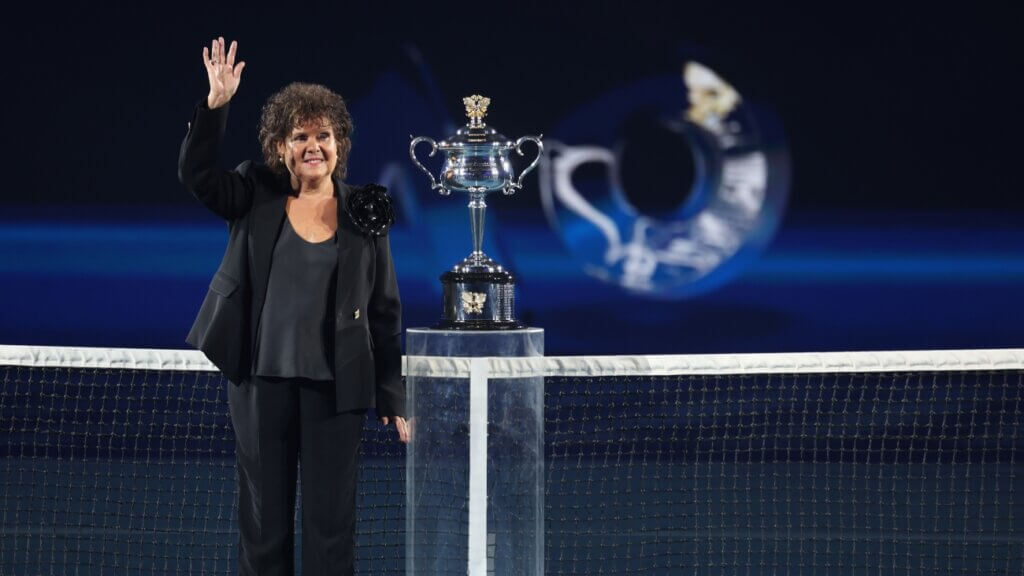
To acknowledge the significance of the land and educate visitors about First Peoples culture, it incorporates animal totems and moieties of First Peoples, including that of former Australian Open Champion Evonne Goolagong Cawley.
Advancing Reconcilation
To acknowledge the significance of the land and educate visitors about First Peoples culture, it incorporates animal totems and moieties of First Peoples, including that of former Australian Open Champion Evonne Goolagong Cawley.
Today, the area known as Melbourne Park is managed on behalf of the Victorian Government by the Melbourne and Olympic Parks Trust, who are committed to advancing reconciliation at every opportunity, proudly showcasing the outstanding work of First Peoples sporting stars and entertainers.
Treaty at John Cain Arena
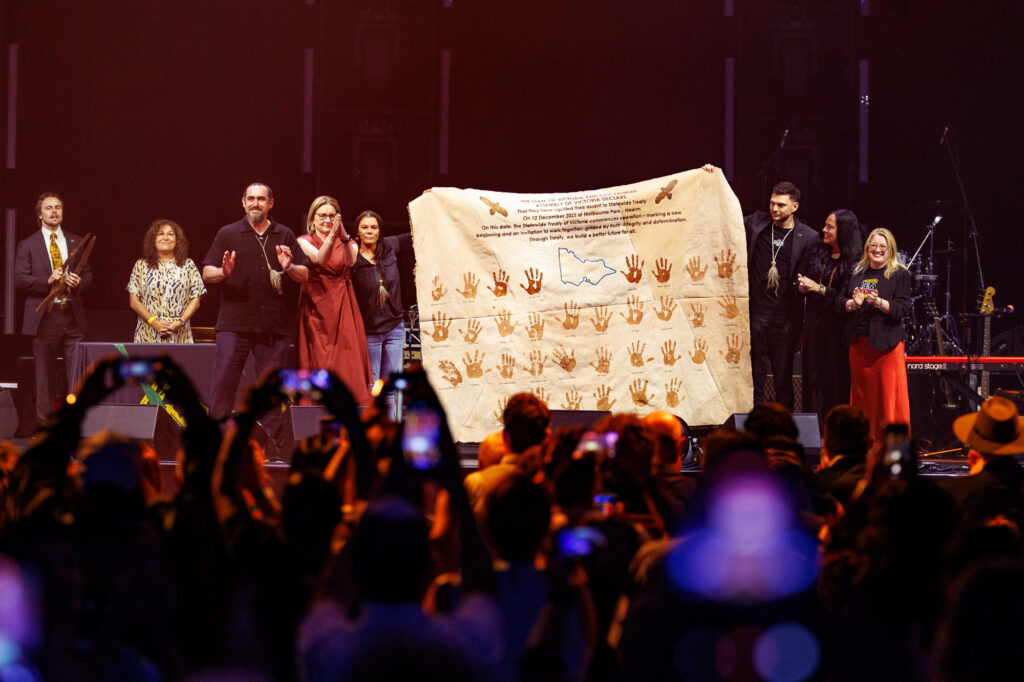
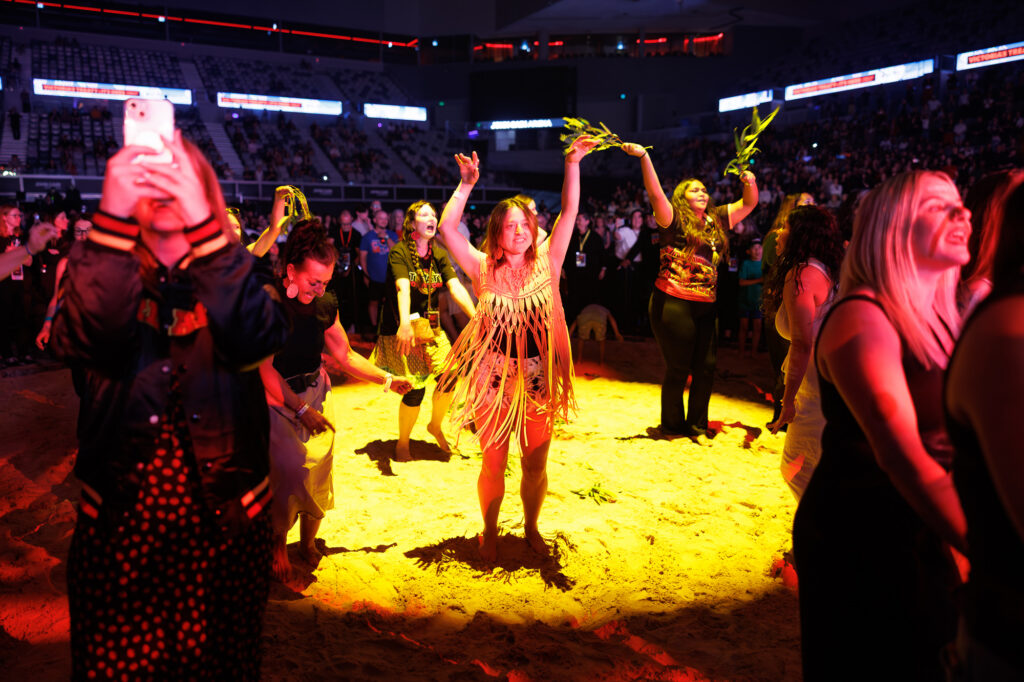
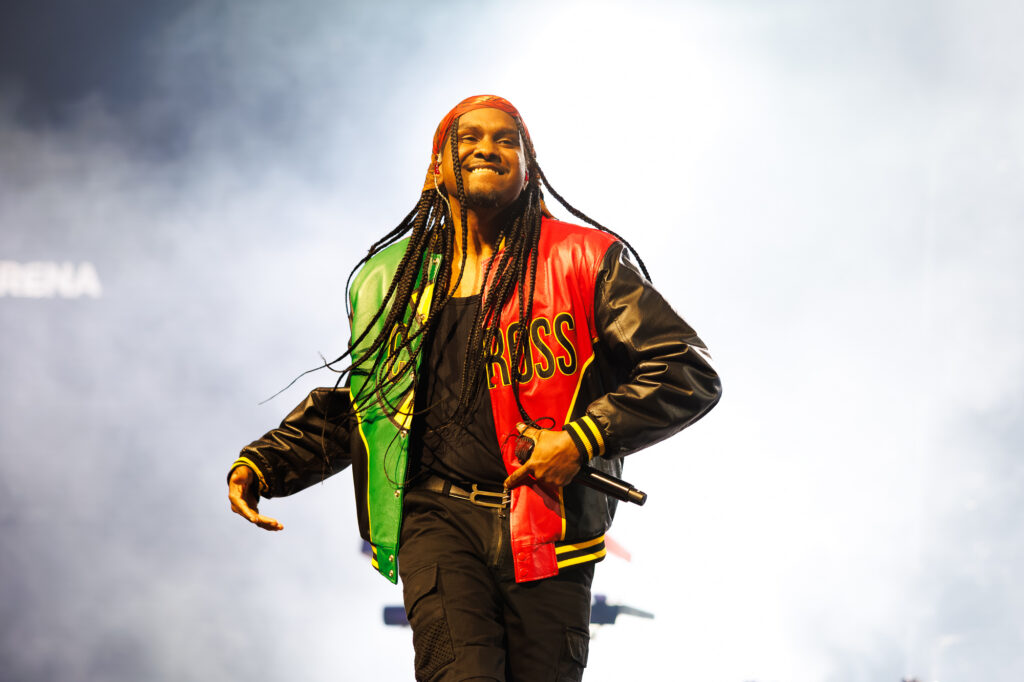
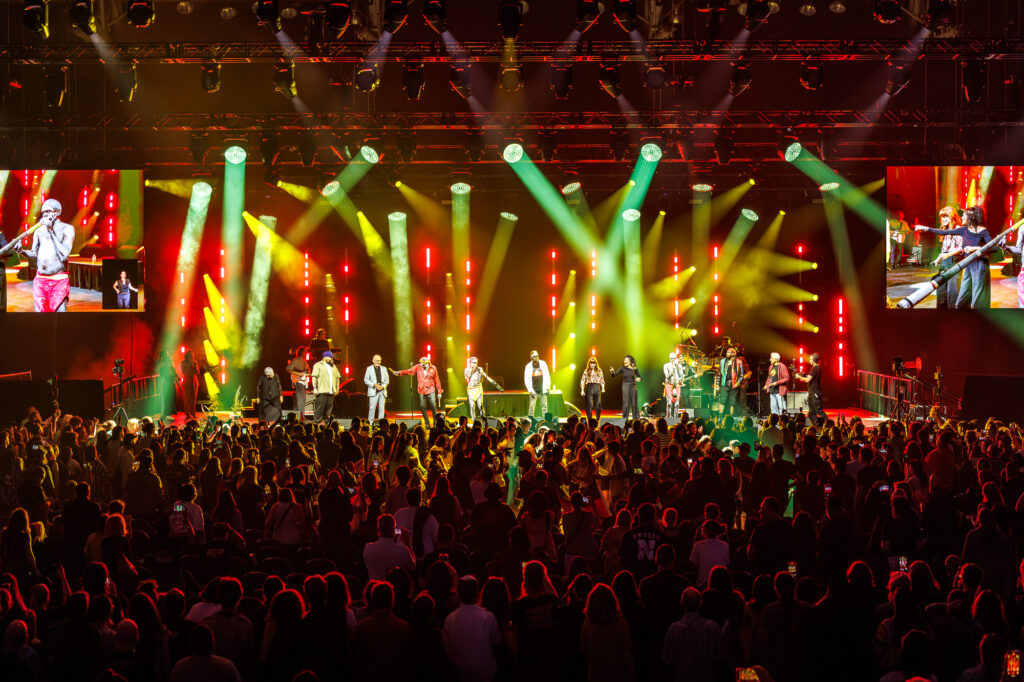
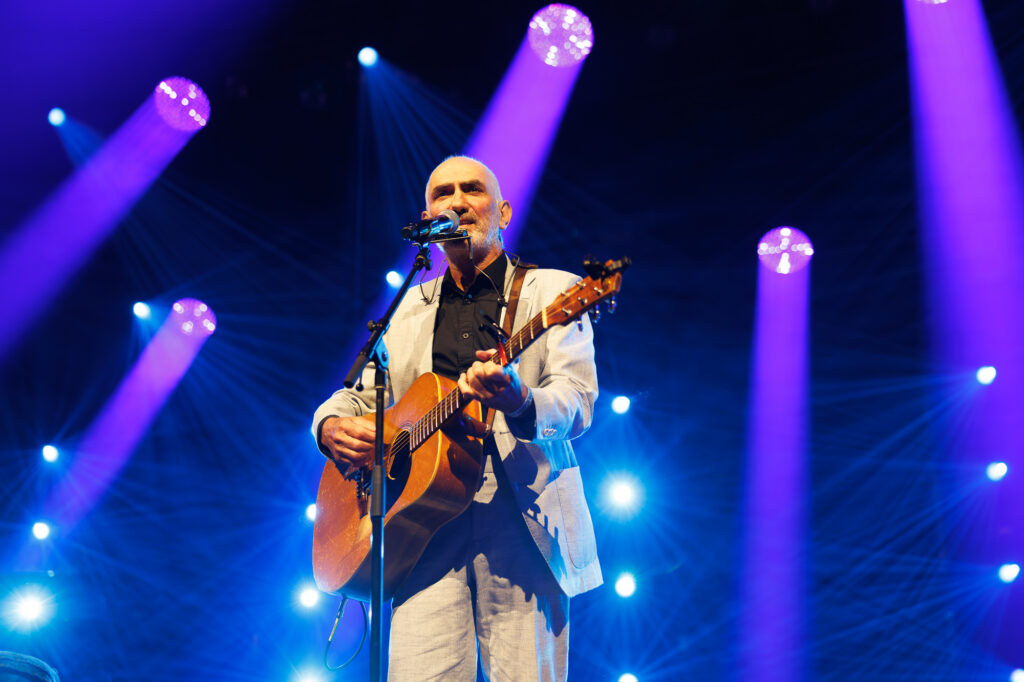
On Friday 12 December 2025, Victoria made history with the commencement of Australia’s first Treaty at John Cain Arena.
Thousands joined as Premier Jacinta Allan, Minister for Treaty and First Peoples Natalie Hutchins, and Victoria’s First Peoples’ Assembly co-chairs Ngarra Murray and Reuben Berg finalised assent of Victoria’s Treaty.
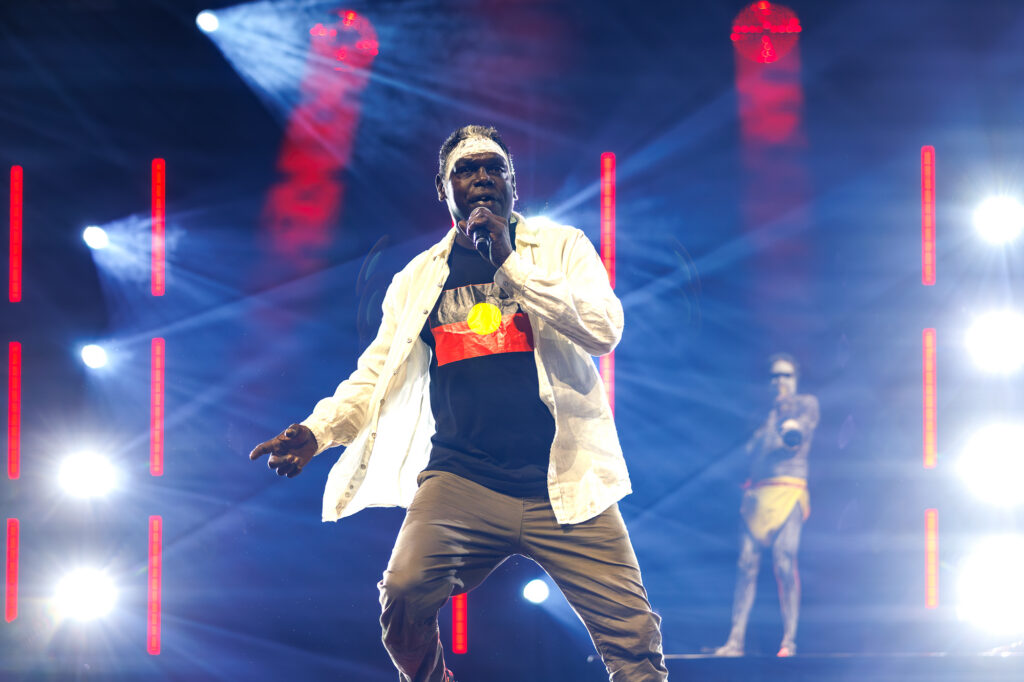
The cultural ceremony was followed by an all-star line-up of Australian artists, including Baker Boy, BRIGGS, Deborah Cheetham Fraillon, Missy Higgins, Paul Kelly, Uncle Kutcha Edwards, and Yothu Yindi.
Parnterships
Eddie Betts Foundation
The Eddie Betts Foundation is driven by a commitment to excellence, identifying talent, nurturing leadership, and creating real opportunities for Aboriginal and Torres Strait Islander young people. Eddie’s vision is grounded in lived experience, knowing what it takes to succeed and the barriers that too often stand in the way.
The Eddie Betts Foundation is based at John Cain Arena. The Foundation supports Melbourne Park with Cultural Awareness Training and partners for the delivery of events, including NAIDOC and National Reconciliation Week activities.
Melbourne Indigenous Transition School
Through its Year 7–8 School and Boarding Program, Senior Boarding Houses and Pathways Program, the Melbourne Indigenous Transition School (MITS) supports young Indigenous people as they pursue away-from-home schooling in Melbourne.
Melbourne Park provides opportunities for MITS students to attend events at the precinct. Melbourne Park staff also attend regular reading sessions with students.
Cox Inall Ridgeway
Cox Inall Ridgeway is a social change agency working to disrupt disadvantage in Indigenous communities. Their goal is to facilitate and enable strong and durable relations between Indigenous peoples, governments and corporations through the work they do.
Cox Inall Ridgeway provides support to Melbourne Park across a range of projects, including Traditional Owner engagement and the delivery of our RAP.


